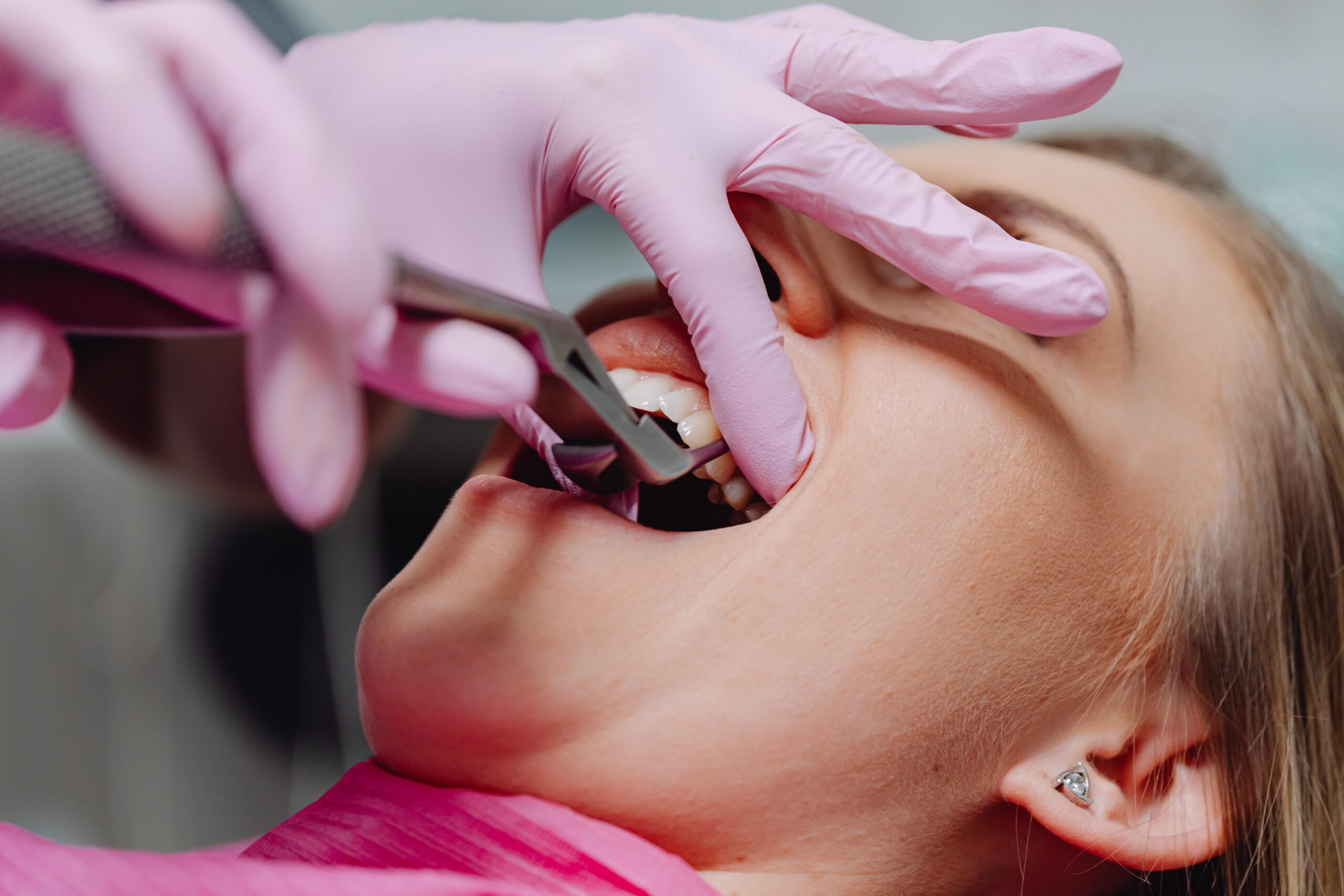
Dental implants are considered one of the leading treatments for missing teeth, whether lost as a result of disease, tooth decay, or an accident or injury.
But once the implant has been fixed in place and your smile has been restored to its former shine – what then? How does life change with a dental implant in place of a missing tooth, and what do you need to know in terms of restrictions, benefits, and recovery?
In this blog, we consider the reality of dental implants in Essex and whether patients need to consider major changes as part of their recovery.
Are There Restrictions With Dental Implants?
Perhaps one of the biggest benefits of dental implants is that they replicate the natural tooth in terms of both look and feel – and are certainly the closest that patients can get to having their old tooth back in place.
Having said that, there are lifestyle changes that some patients need to make in order to ensure that their dental implant is fixed in place for the long run. These include but are not limited to maximising their oral hygiene routine and seeing a dentist regularly, cutting back on drinking and the consumption of unhealthy food, ceasing smoking, and not using the implant teeth for biting or chewing hard items that aren’t designed to be eaten.
A great example of something which is damaging to natural teeth and completely destabilising for a dental implant is opening a bottle with the teeth. It may seem obvious, but you wouldn’t believe how many patients we have to remind of this one in follow-up appointments!
The Benefits Of Dental Implants For Patients
As the previous section demonstrated, living with a dental implant is much like living with a normal set of teeth – you simply need to be slightly more careful around harmful lifestyle choices and specific items in and around your teeth. This is because a dental implant is designed to mimic the natural tooth in all but material – fixed atop the screw which is embedded in your jaw just like the root of a normal tooth.
In terms of benefits beyond the similarity between your natural teeth and your dental implant as a patient, it’s important to note the impact that dental implants often have on our clients’ self-confidence. The restoration of a genuine smile is like a five-star review in our eyes and shows how truly transformational the dental implants can be in making patients and clients feel their best.
Finally, dental implants are long-lasting and so, with the right level of care and attention, will withstand the test of time for patients of all ages.
How Long Is Recovery And What Do I Do Now?
Recovery from the first stage of treatment takes a few weeks, with a temporary implant fixed in place while the screw heals and embeds itself into your jawline. From there and once recovered, your permanent implant is fixed for the long run.
If dental implants are something that you’re keen to learn more about, whether for yourself or a loved one, get in touch with your local dental professional today.