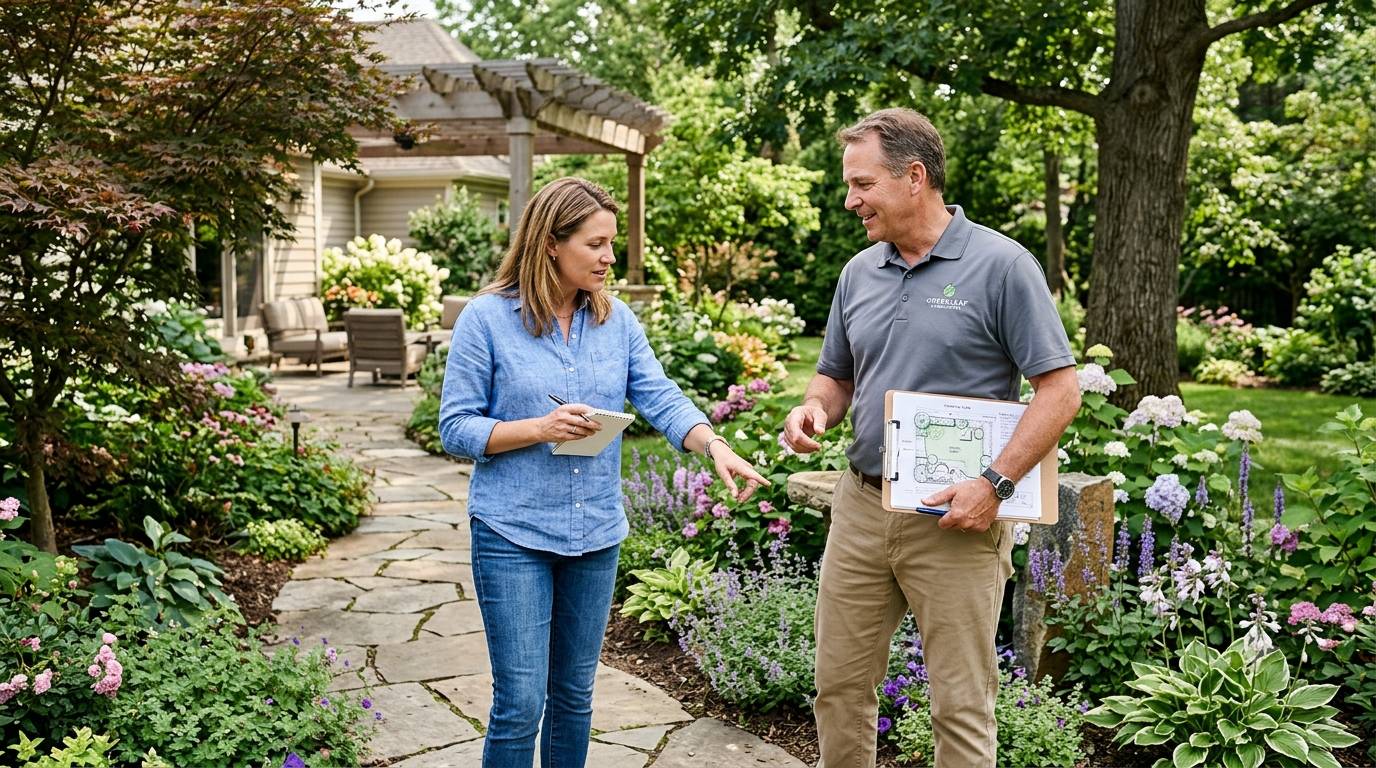
A garden transformation is one of the biggest investments many homeowners make outside the house itself, yet it is often approached with far less research than a kitchen renovation or a new bathroom. Hedges, patios, water features and planting schemes take months to establish and years to mature, so getting the brief right from day one matters enormously. The person you choose to guide that process will shape everything from the layout to the final planting palette, which is why a short conversation before signing anything can save both money and disappointment later.
Asking the right questions upfront reveals far more than a polished portfolio ever could. A skilled landscape design consultant will welcome scrutiny, answer clearly and explain their reasoning rather than offering vague reassurances. Their responses tell you not just what they can build, but how they think, how they communicate, and whether their working style suits your project. Below are seven questions worth raising before you commit to any contract.
1. What Is Your Design Process?
Every consultant works slightly differently, but a clear, structured process is a good sign of experience. Ask how they move from an initial site visit through to a finished plan, and how many revisions are typically included. A vague answer here often points to inconsistent results further down the line.
What to Listen For
Look for mention of a site survey, soil assessment, concept sketches and a final detailed plan. If sustainability, drainage or microclimate factors come up unprompted, that is a strong indicator of genuine horticultural knowledge rather than surface-level styling.
2. Can I See Examples of Similar Projects?
A portfolio tells you far more than words alone. Ask specifically for gardens of a comparable size, budget or style to yours, rather than accepting a generic showreel. Photographs taken a year or two after completion are particularly telling, since they show how the planting has actually matured.
3. Are You Qualified, Insured and Accredited?
Reputable professionals hold recognised horticultural or landscape architecture qualifications and carry public liability insurance. Membership of a body such as the Society of Garden Designers or the British Association of Landscape Industries adds a further layer of accountability and reassurance.
4. How Do You Handle Budgeting?
Cost overruns are one of the most common sources of tension in garden projects. A trustworthy landscape design consultant will provide a transparent breakdown of design fees, materials, planting and labour, and explain how variations or unforeseen groundworks are costed and approved before work proceeds.
Practical Signs of a Reliable Consultant
Before moving on, it helps to know what genuinely good practice looks like on paper:
- Written quotations that separate design fees from build costs
- A clear payment schedule tied to project milestones
- Willingness to provide references from recent clients
- Realistic timeframes rather than unrealistically fast promises
- Contracts that outline what happens if the scope changes
5. Who Will Carry Out the Physical Work?
Some consultants design only, while others manage the full build through their own teams or trusted subcontractors. Clarify who will actually be on site, how quality is supervised, and who to contact if a problem arises during construction. This avoids confusion once work is underway.
6. Will Planting Be Suited to My Site?
Soil type, drainage, sunlight and local climate all influence which plants will genuinely thrive. Ask how planting choices are researched and whether the consultant visits the site at different times of year, or simply relies on a single initial inspection to select species.
7. What Aftercare or Maintenance Support Do You Offer?
A garden is never truly finished on handover day. Find out whether ongoing maintenance advice, a plant establishment guarantee, or seasonal check-ins are included, and for how long. This single question often separates a one-off transaction from a genuinely long-term professional relationship.
Setting Realistic Expectations
It is also worth discussing how the finished garden will look in its first season compared with three or five years down the line. Mature planting rarely looks its best immediately, and an honest consultant will explain this openly rather than showing only idealised renders. This kind of candour early on tends to reflect how they will communicate throughout the whole project.
Questions Worth Adding to Your Checklist
A few further prompts can round out the conversation nicely:
- How do you handle planning permission or boundary issues?
- What happens if plants fail within the first year?
- Do you offer sustainable or low-maintenance planting options?
- How will you communicate progress throughout the project?
Choosing the Right Fit
Choosing the right professional is less about finding the most expensive option and more about finding someone whose process, communication and values align with your own. Asking these seven questions early on filters out poor matches quickly, clarifies costs, timelines and planting expectations, and gives you confidence that your garden is in capable hands. A thoughtful consultant will see these questions not as a challenge, but as the beginning of a genuinely collaborative working relationship built on clarity, honesty and mutual trust from the very first meeting.