Most people focus on diet and exercise to stay healthy. However, they often overlook the air they breathe. The Environmental Protection Agency (EPA) reports a startling fact. Americans spend roughly 90% of their lives indoors. Unfortunately, indoor air is often more polluted than outdoor air. This hidden issue causes many common health problems. Poor air quality leads to constant fatigue and frequent headaches. It also disrupts your natural sleep patterns. Clean indoor air is vital for your daily vitality. It directly impacts how you feel and perform.
How Indoor Air Affects Sleep Quality
There is a direct link between air quality and sleep. Allergens like dust mites and pollen trigger breathing issues. These particles irritate your nose and throat at night. This irritation often leads to congestion and heavy snoring. It can even worsen the symptoms of sleep apnea. Studies show that poor air quality increases sleep disturbances by 60%. To solve this, you should improve your health with improved indoor air quality today. Oxygen-rich air helps your body relax much faster. It allows you to reach deep, restorative sleep cycles. You will wake up feeling truly rested and recovered.
Why Clean Air Improves Energy Levels
Poor air quality reduces the oxygen flow to your brain. This often results in a feeling of midday sluggishness. Common pollutants like carbon dioxide and VOCs cause this tiredness. Mold spores can also drain your energy. Cleaner air improves your brain oxygenation and mental focus. Homes with high-quality air purification systems exhibit higher pollutant concentrations.
Good air circulation also significantly increases your alertness in the morning. You will notice a boost in your overall productivity. Breathing fresh air keeps your mind sharp and ready.
Common Indoor Air Pollutants in Homes
Many hidden toxins circulate through your living space daily. Dust and dust mites are the most common culprits. Pet dander can linger in the air for many weeks. Mold spores thrive in damp areas and wall cavities. Volatile Organic Compounds (VOCs) are emitted by furniture and paint.
You must improve your health with improved indoor air quality to stay safe. Cooking smoke and household cleaning chemicals add to the risk. These pollutants accumulate in your bedroom and living areas. Your HVAC system can spread these particles if not maintained.
Signs Your Home Has Poor Air Quality
It is important to recognize the signs of poor air quality. Do you suffer from frequent, unexplained headaches? Morning fatigue is another very common symptom of poor air. You might notice persistent allergies while staying inside. Pay attention to musty or stale odors in your rooms. Dry throats and irritated eyes are clear warning signs.
These symptoms suggest that your home needs better ventilation. Recognizing these signs helps you take action quickly. Fast intervention prevents more serious health issues from developing.
Simple Ways to Improve Air Quality at Home
Taking small steps can make a massive difference. You do not need a total renovation to see results. Follow these actionable tips to refresh your home environment:
- Schedule professional HVAC maintenance at least twice a year.
- Change your air filters every 60 to 90 days.
- Use HEPA air purifiers in your most-used rooms.
- Clean your air ducts to remove trapped dust.
- Open windows daily to encourage airflow.
- Add indoor plants, such as spider plants, to help filter toxins.
- Invest in professional air quality testing for peace of mind.
The Role of HVAC Systems in Air Quality
Your heating and cooling system acts like a lung. It moves air through every corner of your home. High-quality filters remove dangerous airborne particles from the stream. Modern HVAC systems also control the humidity levels perfectly. Proper humidity prevents the growth of toxic mold and mildew. Low humidity can dry out your skin and throat. Smart HVAC technology now allows for better airflow efficiency. A well-maintained system ensures the air stays fresh and clean. This technology protects your family from invisible environmental threats.
Why Bedrooms Need Special Air Quality Attention
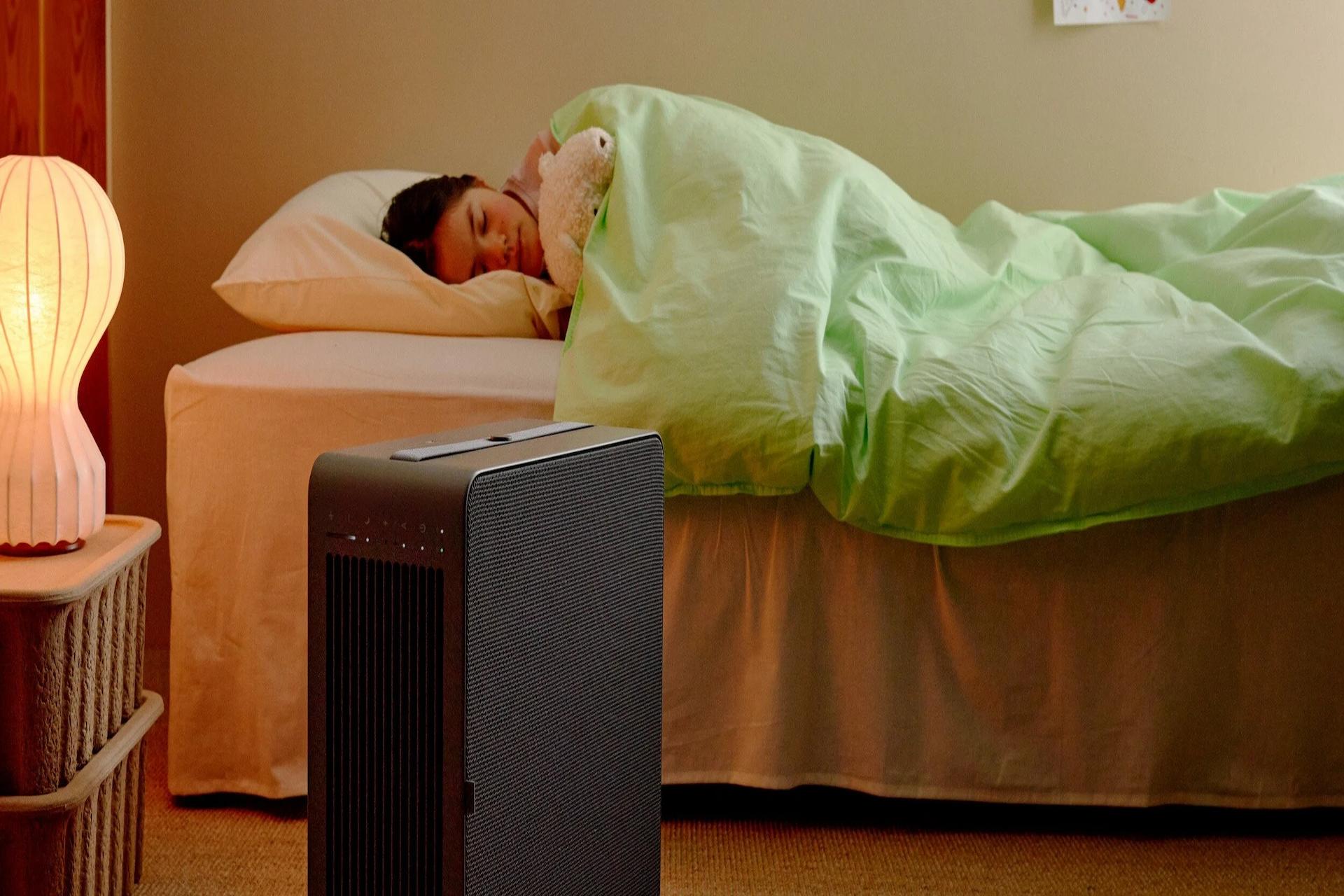
The bedroom is the most important room for air health. The average person spends eight hours sleeping every night. During this time, you breathe deeply and consistently. Bedrooms often accumulate allergens more quickly than other living spaces. Dust settles in bedding, carpets, and heavy window curtains. Clean air supports the natural production of melatonin. This hormone is essential for a healthy sleep cycle. A purified bedroom environment ensures deeper sleep stages. You deserve a sanctuary that promotes healing and rest.
Health Benefits of Clean Indoor Air
The long-term benefits of pure air are life-changing. You will enjoy a much higher-quality sleep. Your daily energy levels will remain stable and high. Clean air reduces the triggers for asthma and allergies. It also improves your overall mental clarity and mood. Your immune system becomes stronger when you are less stressed. Breathing clean air lowers the inflammation in your body. It is an investment in your long-term physical health. A healthy home environment supports a longer and happier life.
Conclusion: A Healthy Home Starts with Clean Air
Clean indoor air is not just a luxury for some. It is a basic necessity for your total well-being. Focusing on air quality boosts your energy and health. It also guarantees a better night’s rest. Simple maintenance and professional services make a huge difference. Investing in your indoor environment always pays off in vitality. Start improving your home’s air today for a brighter tomorrow. A healthy home is the true foundation for a productive life.