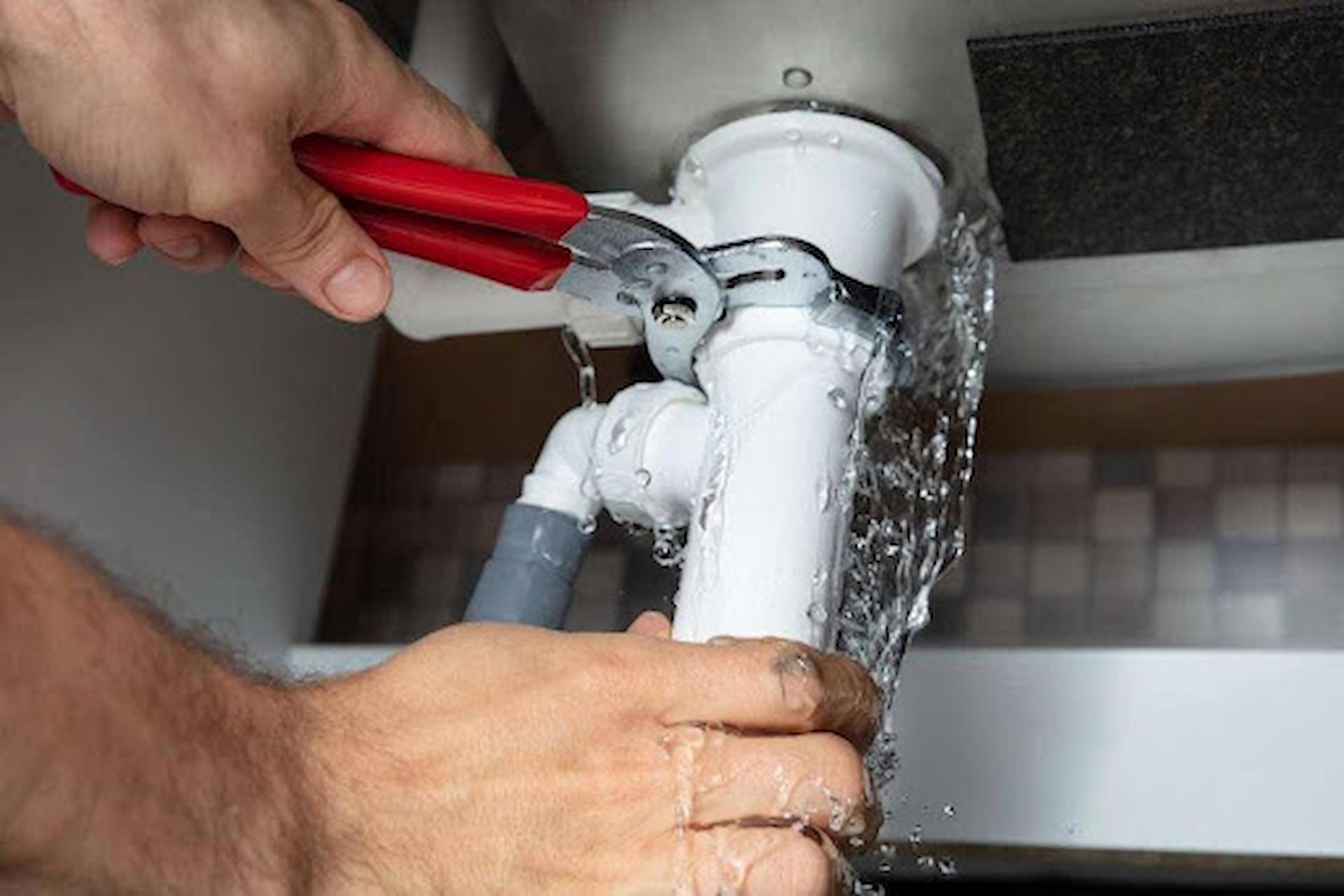
Water leaks often go unnoticed until they cause serious damage. Behind the scenes, advanced detection systems are changing how problems are found and fixed. From sound-based tools to smart sensors, modern solutions offer faster, more accurate results, helping homeowners and businesses prevent costly repairs before issues spiral out of control.
Water leaks can quietly damage property, increase bills, and waste valuable resources. What once required guesswork and invasive digging has now evolved into a precise science. Today’s leak repair services rely on advanced technologies that detect issues quickly and with minimal disruption. These innovations not only save time but also reduce long-term damage and unnecessary repair costs.
The Evolution of Leak Detection
Leak detection has come a long way from traditional trial-and-error methods. Earlier, plumbers often had to break walls or dig up areas to locate leaks. This approach was time-consuming and costly.
Modern systems now focus on accuracy and efficiency. By using technology, professionals can identify leaks without damaging structures. This shift has made detection faster, more reliable, and less invasive for property owners.
Acoustic Leak Detection Technology
How It Works
Acoustic detection uses sound to identify leaks. When water escapes from pipes, it creates a distinct noise. Special listening devices amplify these sounds, making them easier to detect.
Why It’s Effective
This method is highly accurate, especially for underground pipes or hidden plumbing. It allows professionals to pinpoint leaks without unnecessary digging.
Acoustic tools are widely used because they are quick, non-invasive, and reliable. Even small leaks can be detected before they become major issues.
Thermal Imaging for Hidden Leaks
Understanding Thermal Cameras
Thermal imaging uses heat patterns to locate leaks. Water often changes the temperature of surrounding materials. Thermal cameras capture these differences, revealing hidden moisture.
Where It’s Used
This technology is especially useful for detecting leaks behind walls, under floors, or in ceilings. It helps identify problems that are invisible to the naked eye.
Thermal imaging reduces the need for guesswork. It provides clear visual evidence, making repairs more targeted and efficient.
Smart Sensors and IoT Monitoring
What Are Smart Leak Sensors?
Smart sensors are small devices placed near pipes, appliances, or water systems. They monitor moisture levels and alert users when unusual activity is detected.
Benefits of Real-Time Alerts
These systems connect to smartphones or home networks. If a leak occurs, users receive instant notifications. This allows quick action before damage spreads.
In the middle of ongoing maintenance or inspections, integrating such tools with professional leak repair services ensures that issues are handled promptly and efficiently. Smart monitoring reduces the risk of long-term water damage and improves overall system reliability.
Tracer Gas Detection Methods
How Tracer Gas Works
Tracer gas detection involves injecting a harmless gas into a pipe system. If there is a leak, the gas escapes and rises to the surface, where sensors can detect it.
When It’s Used
This method is ideal for locating leaks in complex systems or areas where other technologies may struggle. It is precise and effective for both indoor and outdoor applications.
Tracer gas techniques are valued for their accuracy, especially in challenging environments.
Ground Penetrating Radar (GPR)
What Is GPR?
Ground Penetrating Radar uses radio waves to scan below surfaces. It creates images of what lies beneath, including pipes and potential leaks.
Advantages of GPR
This technology is useful for detecting leaks in large areas such as roads, foundations, or industrial sites. It provides detailed insights without excavation.
GPR helps professionals understand the structure of underground systems, making detection more efficient and less disruptive.
Data Analytics and AI Integration
Role of Artificial Intelligence
Artificial intelligence analyses patterns in water usage and system behaviour. It can identify irregularities that may indicate leaks.
Predictive Maintenance
AI systems can predict potential failures before they occur. By analysing data trends, they help prevent leaks rather than just detecting them.
This proactive approach is becoming increasingly important in modern water management systems.
Key Benefits of Modern Leak Detection Technologies
Modern technologies offer several advantages that improve both efficiency and cost-effectiveness:
- Faster detection reduces water damage
- Non-invasive methods protect property structures
- Increased accuracy minimises unnecessary repairs
- Early detection lowers long-term costs
- Smart systems provide continuous monitoring
These benefits make advanced leak detection systems essential for both residential and commercial settings.
Practical Tips for Preventing Water Leaks
While technology plays a major role, simple preventive measures can also make a difference:
- Regularly inspect visible pipes and fittings
- Monitor water bills for sudden increases
- Install smart leak detection devices
- Ensure proper maintenance of plumbing systems
- Address minor issues before they escalate
Taking these steps helps reduce the likelihood of major leaks and costly repairs.
The Future of Leak Detection
Technology continues to evolve, making leak detection even more precise. Innovations in sensors, data analytics, and automation are expected to improve detection speed and accuracy.
Future systems may integrate fully automated responses, shutting off water supply when leaks are detected. This level of automation will further reduce damage and improve efficiency.
As these advancements continue, the role of professional leak repair services will become even more critical in ensuring systems operate effectively and safely.
Final Thoughts
Modern leak detection systems have transformed how water issues are identified and resolved. From acoustic tools to smart sensors, these technologies offer faster, more accurate, and less invasive solutions.
By combining advanced tools with proactive maintenance, property owners can prevent damage, save costs, and ensure long-term reliability. Staying informed about these technologies is a practical step towards better water management and protection.