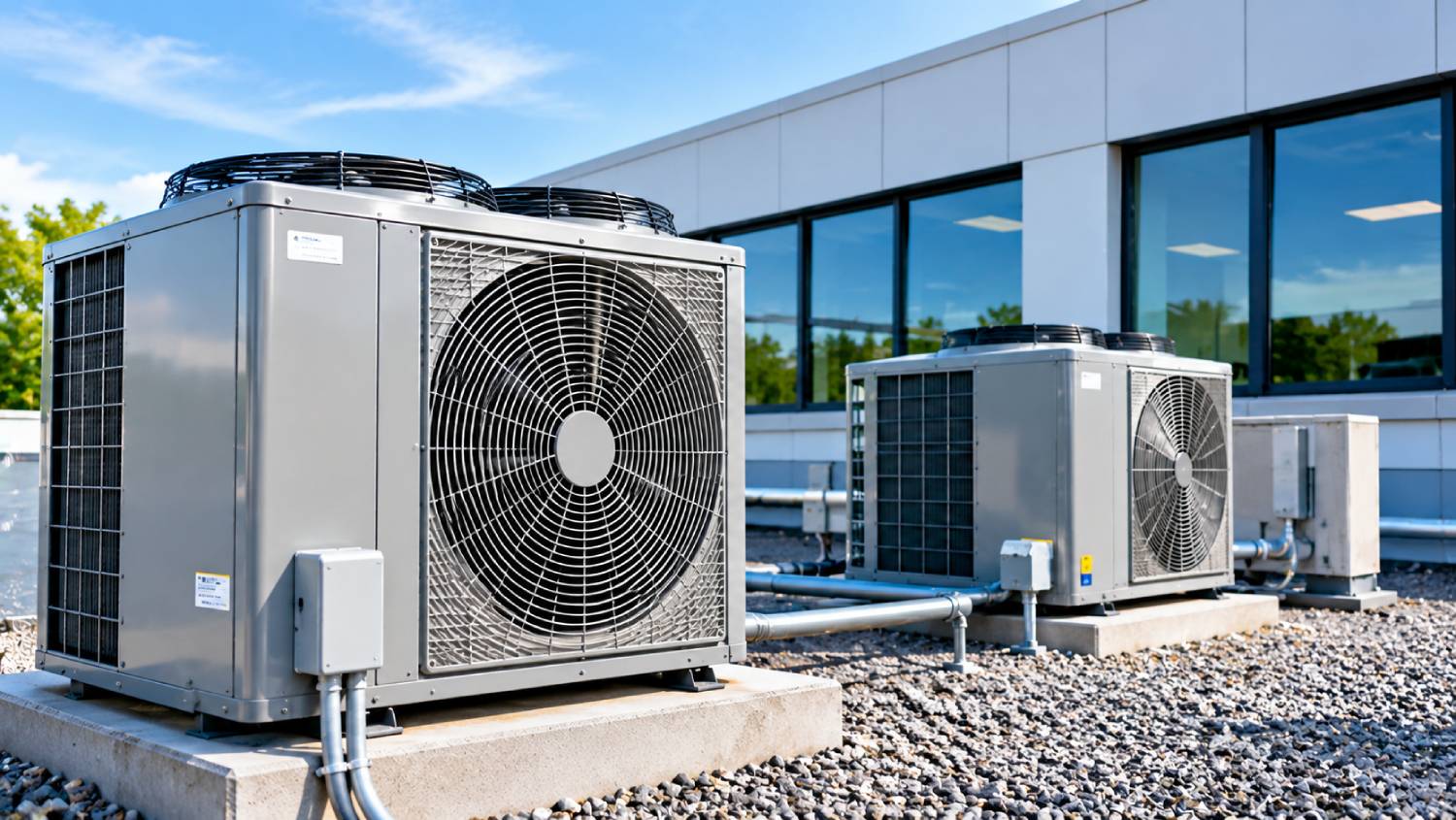
Maintaining a comfortable indoor environment is essential for commercial properties, from offices and retail units to restaurants and industrial facilities. When temperatures fluctuate, rooms feel humid or airflow becomes inconsistent, employees and customers may notice the difference. Although an ageing air conditioning unit can contribute to these problems, the underlying cause is not always obvious.
For property managers considering commercial HVAC repair in Naples, FL, identifying the source of poor climate control is an important first step. Heat, humidity, building design and equipment condition can all affect system performance. A thorough assessment can help distinguish between routine maintenance needs and more significant faults, allowing businesses to address problems without replacing equipment unnecessarily.
Restricted Airflow Throughout the Building
Airflow problems are a common reason some areas of a commercial property feel warmer or cooler than others. Dirty air filters, obstructed return vents and blocked ductwork can restrict the movement of conditioned air. As a result, the system may run for longer periods without delivering the expected comfort. Filters should be checked regularly and replaced or cleaned according to the manufacturer’s instructions.
Ductwork can also contribute to uneven temperatures when connections become loose, sections are damaged or ducts are poorly insulated. These problems may allow conditioned air to escape before reaching occupied rooms. If changing filters and clearing accessible vents does not improve airflow, a qualified technician can inspect the distribution system and identify any necessary repairs.
Incorrect Thermostat Settings and Control Problems
A thermostat does more than set the desired temperature. Its location, settings and connection to the HVAC system influence how the equipment responds to indoor conditions. A thermostat exposed to direct sunlight, heat-producing equipment or frequent draughts may record an unrepresentative temperature, causing the system to operate longer or stop too soon.
Commercial buildings may also use programmable controls or multiple temperature zones. Incorrect schedules, unsuitable settings or faulty sensors can create inconsistent conditions between departments or floors. Before assuming that the main equipment has failed, review the settings and operating schedule. If the problem continues, professional testing can establish whether the thermostat, wiring or control components require attention.
Humidity That Remains Uncomfortable
Temperature alone does not determine indoor comfort. Excess moisture can make rooms feel clammy even when the thermostat shows an acceptable reading. In humid areas such as Naples, Florida, effective moisture removal is particularly important. An incorrectly sized system, restricted airflow, poor drainage or equipment that does not run long enough under suitable conditions may affect humidity control.
Persistent humidity can also result from moisture entering through gaps in the building envelope, poorly sealed doors or inadequate ventilation management. Simply lowering the thermostat may not resolve the underlying problem. A technician can assess system operation, condensate drainage and cooling performance, while building maintenance staff can investigate possible sources of moisture entering from outside.
Equipment Problems That Are Easy to Miss
Some HVAC faults develop gradually rather than causing an immediate breakdown. Dirty coils, failing fan motors, worn electrical components and refrigerant leaks can reduce performance over time. The early signs may include longer operating cycles, unusual noises, weaker airflow or rooms that never reach the selected temperature. These symptoms deserve attention, even when the equipment continues to run.
When these problems persist, commercial HVAC repair in Naples, FL can help businesses determine whether the issue involves a specific component or several related faults. Refrigerant handling, electrical testing and internal mechanical repairs should be carried out by appropriately qualified professionals. Prompt diagnosis can help prevent unnecessary strain on equipment and clarify which repairs are required to restore reliable operation.
Building Design and Changing Occupancy
Even a functioning HVAC system can struggle when the property’s needs change. New partitions, additional computers, kitchen equipment or higher occupancy can alter heat loads and airflow patterns. A system that previously maintained comfortable conditions may no longer be suitable for the way the building is used. Reviewing these changes can help explain why problems appear in particular rooms or at certain times of day.
Windows, roof insulation, shading and external air leakage can also influence indoor temperatures. Sun-facing rooms may gain more heat during the afternoon, while poorly insulated areas can experience greater temperature swings. Businesses should consider both the HVAC equipment and the building itself when investigating comfort complaints, as repairing the system alone may not address every contributing factor.
When to Arrange a Professional Assessment
Occasional temperature changes may have a straightforward explanation, but persistent discomfort, rising energy consumption, repeated system shutdowns or unusual mechanical noises warrant further investigation. Keep a record of when and where problems occur, including whether they coincide with busy periods or changes in outdoor conditions. This information can help a technician narrow down possible causes.
Routine maintenance should include appropriate checks of filters, coils, controls, electrical components and condensate drainage. The exact requirements depend on the equipment and the property’s operating conditions. If basic maintenance does not resolve the issue, a professional assessment can establish whether repairs, control adjustments or improvements to the building’s airflow are needed.
To Sum Up
Poor climate control in commercial properties can stem from restricted airflow, incorrect settings, humidity problems, worn components or changes in the building’s use. Looking beyond the thermostat reading helps property managers identify the conditions affecting comfort and avoid making assumptions about the equipment.
Regular maintenance, careful monitoring and timely professional inspections can help businesses address faults before they cause greater disruption. By considering both the HVAC system and the building as a whole, property managers can make informed decisions that support consistent indoor comfort and dependable operation.