branding and fashionThe textile industry constantly evolves, embracing new technologies and methods to meet consumer demand for unique, high-quality, affordable products. One such trend steadily gaining popularity is embroidery digitizing. This process, which combines traditional embroidery techniques with modern technology, has profoundly impacted how designs are created, replicated, and applied to textiles. As the trend grows, its influence on fashion, home textiles, promotional products, and more continues to shape the industry innovatively.
In this blog post, we’ll explore what embroidery digitizing is, why it has become so popular, and how it reshapes the textile industry.
What is Embroidery Digitizing?
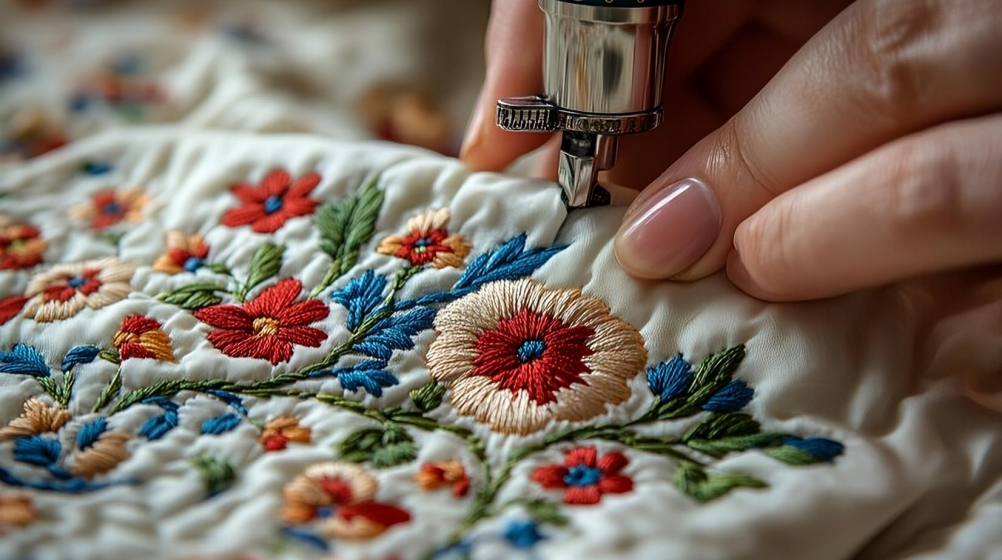
Embroidery digitizing is converting a design, image, or logo into a digital format that an embroidery machine can read. This digital file breaks the design into instructions dictating stitch types, patterns, and thread colours. Once a design is digitized, it can be embroidered onto various fabrics with exceptional precision and consistency.
The primary benefit of embroidery digitizing is that it allows for highly detailed, intricate designs to be transferred onto textiles quickly and efficiently. What used to be a thorough, manual process can now be automated, saving time and reducing the risk of human error. As a result, embroidery digitizing is used in many industries, from fashion and home décor to corporate branding and promotional products.
The Rising Popularity of Embroidery Digitizing
Several factors have contributed to the growing popularity of embroidery digitizing services in the textile world. Let’s look at some of the key reasons why this trend has gained traction:
Customization and Personalization
Consumers and businesses increasingly seek ways to stand out in today’s market. Customization has become a significant selling point in many industries, fashion journey and promotional products. Embroidery digitizing allows for personalized designs, whether a name on a garment, a custom logo on a hat, or a unique pattern on home textiles.
For businesses, custom embroidery reinforces branding through corporate apparel or promotional merchandise. Embroidery digitizing ensures that logos, slogans, and designs are replicated accurately across multiple items, maintaining brand consistency while offering personalized touches.
Efficiency and Cost-Effectiveness
One significant advantage of embroidery digitizing is its efficiency. Once a design has been digitized, it can be used repeatedly to produce identical embroidered products in large quantities. This mainly benefits companies producing branded uniforms, promotional items, or large-scale fashion collections.
Digitizing significantly reduces production time and costs compared to traditional hand embroidery. Embroidery machines can work much faster than hand-stitching, and the digitized design ensures that each item is uniform in appearance. This makes it a cost-effective option for businesses looking to produce high-quality embroidery at scale.
Enhanced Precision and Detail
Embroidery digitizing software allows designers to create highly detailed, intricate patterns that might be impossible or too time-consuming to achieve by hand. The software can account for every design aspect, including stitch direction, density, and colour changes. As a result, even the most complex designs can be translated into embroidery with remarkable accuracy.
This level of precision is fundamental in industries like corporate branding and fashion, where the quality and clarity of a logo or design can significantly impact a product’s appeal. With digitizing, there’s no need to worry about uneven stitches or inconsistent designs—each item produced is a near-perfect replica of the original.
Versatility Across Fabrics and Products
Embroidery digitizing is incredibly versatile. It can be applied to various fabrics, from delicate silk to durable canvas. This versatility makes it suitable for a variety of products, including:
Clothing and accessories: T-shirts, jackets, hats, bags, etc.
Home textiles: Cushions, curtains, tablecloths, etc.
Corporate and promotional merchandise: Uniforms, tote bags, caps, etc.
The ability to customize designs for different fabrics and product types further enhances embroidery’s appeal across various sectors of the textile industry. No matter the material, embroidery digitizing ensures that the design looks professional and polished.
Sustainability and Durability
Embroidery stands out as a durable and eco-friendly decoration method in a world increasingly focused on sustainability. Embroidered designs typically last longer than printed or heat-transferred images, as the stitching is integrated directly into the fabric. This durability makes embroidered products less likely to wear out or fade over time, reducing the need for frequent replacements.
For environmentally-conscious brands, embroidery digitizing can also be combined with sustainable fabrics and ethical production practices to create stylish and long-lasting products. This aligns with the growing demand for eco-friendly options in the fashion and textile industries.
Innovation in Fashion and Design
The fashion industry has always quickly adopted new trends and technologies, and embroidery digitizing is no exception. Fashion designers now use embroidery to add texture, depth, and artistry to their collections. The ability to create intricate, multi-dimensional designs with embroidery digitizing opens up new possibilities for creativity in fashion.
Moreover, embroidery has become a key element in streetwear and luxury fashion. Brands use embroidery to make bold statements and enhance the visual appeal of their clothing. From eye-catching logos to intricate patterns, embroidery adds craftsmanship that resonates with today’s fashion-forward consumers.
Challenges and Opportunities in Embroidery Digitizing
Despite its growing popularity, embroidery digitizing has its challenges. One of the biggest hurdles is ensuring that the digitized design translates well onto the fabric. Certain fabrics, such as lightweight or stretchy materials, can be more difficult to work with, and improper digitizing can result in puckering misaligned stitches, or other issues.
However, advancements in digitizing software and techniques have made it easier to overcome these challenges. The growing accessibility of high-quality digitizing tools allows businesses of all sizes to create professional-grade embroidery without extensive experience or technical knowledge.
Conclusion: The Future of Embroidery Digitizing in Textiles
As the textile industry continues to evolve, the popularity of embroidery digitizing shows no signs of slowing down. Its efficiency, precision, and versatility has made it a go-to method for producing high-quality embroidered products in various sectors. Whether it’s fashion, home décor, or corporate branding, embroidery digitizing allows for personalized, durable, and professional-looking designs that appeal to today’s consumers.
As technology advances, the possibilities for embroidery digitizing will only continue to expand. Designers and businesses will benefit from faster production times, more intricate designs, and greater customization options. In an industry where innovation is key, embroidery digitizing is proving to be a trend here to stay.